
Oriente Salvaje
Oriente Salvaje
Language
Plan your trip

Oriente Salvaje

Plan your trip

Oriente Salvaje is closer than it seems. Here you'll find everything you need to know before arriving: access routes, the best time to visit for what you're after, and the keys to getting around confidently in one of the wildest corners of the Central American Pacific.

~2h

From the airport

12°

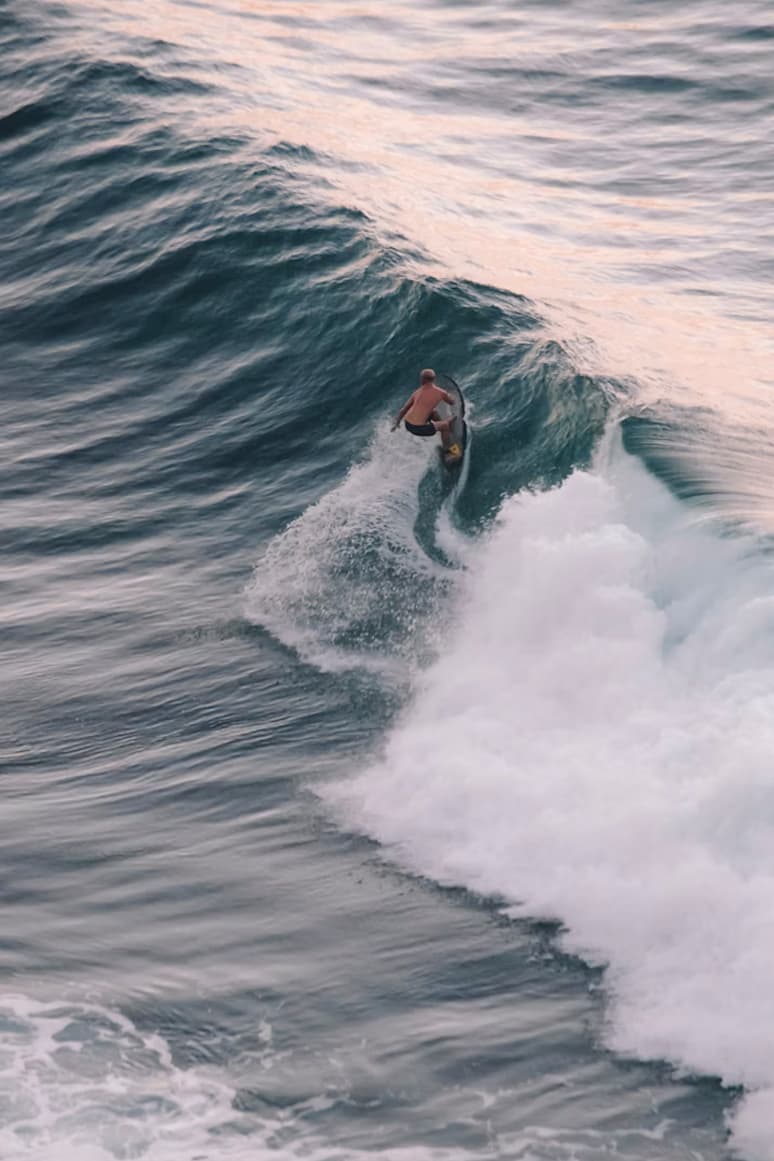
Months with waves

28°

Water temperature

$0

Visa to travel

- How to get there? -

Getting to Oriente Salvaje

The destination is about 140 km east of the international airport. The route is direct via the Litoral Highway, and most visitors arrive by private vehicle or coordinated transfer.

From Honduras: Enter via El Amatillo, connecting with the Litoral Highway toward San Miguel and from there to Oriente Salvaje.

From Nicaragua: Enter via El Poy or Las Chinamas, heading toward San Salvador and then the Litoral Route toward the east.

Citizens of the CA-4 (Guatemala, Honduras, Nicaragua, El Salvador) do not require a visa.
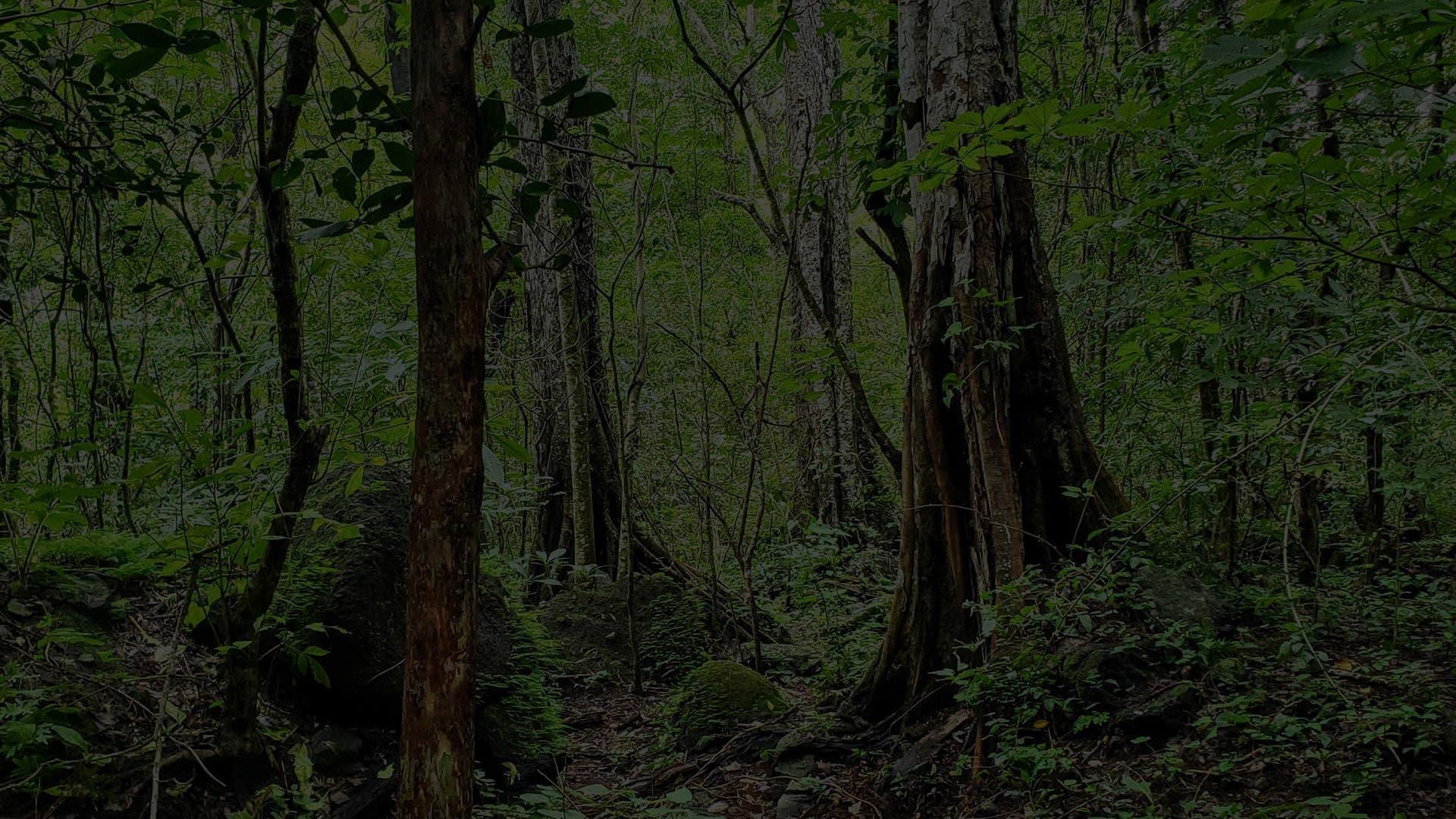
Oriente Salvaje forest

- Travel without rushing -

Stay and Live the Place

Oriente Salvaje isn't a passing-through destination. It's best enjoyed when you stay: one night by the sea completely changes the experience. And when you sleep in the area, eat at local restaurants and hire guides, surf schools and operators from the territory, your visit directly sustains the families who care for this place.

That's the kind of tourism we're after: unhurried, conscious, and one that stays where it belongs

Explore lodging, restaurants and more

Consistent Surf + Dry Weather

November — April

All levels · Families

Waves of 3 to 5 feet, clean and predictable, with sunny days one after another. The Pacific stays at 28–30°C year-round, the roads are in great condition and the whole territory invites you to explore unhurried. It's the preferred season for those who want to combine surf sessions with forest hikes, community visits and quiet nights by the sea. Ideal for all levels and for traveling with family.

Travel with confidence

El Salvador has transformed its security situation in recent years.

Oriente Salvaje is an active tourism zone with police presence and a very welcoming local community.

General Safety

El Salvador lowered its homicide rate from 106 to 2.8 per 100,000 inhabitants between 2015 and 2024. Tourist areas have a police presence. Oriente Salvaje is a family-friendly, welcoming destination.

In the Water

The Pacific coast has strong ocean currents. Always ask locals about the day's conditions, entry and exit points, and risk areas at each beach before entering the water.

Health in El Salvador

There is a risk of mosquito-borne dengue and zika. Use repellent and a mosquito net for sleeping. Drink only purified or bottled water. Get travel medical insurance with hospitalization coverage.

Frequently
asked questions

Oriente Salvaje is a destination that still surprises first-time visitors. Here we answer the most common questions so you arrive with everything clear and only have to worry about enjoying it.

Do I need a visa to enter El Salvador?

Most nationalities from the Americas and Europe don't need a visa. Citizens of Guatemala, Honduras and Nicaragua have free movement. Check your country's specific requirements on the official El Salvador Immigration website before traveling.

Are there options for different budgets?

Yes. From simple rooms in El Cuco to resorts right on the point. The area has options for backpackers, independent travelers and those looking for a more complete experience.

How many days are recommended for a visit?

A minimum of 3 days to feel the rhythm of the place. 5 to 7 days if you want to surf different points, explore the territory and connect with the communities. Oriente Salvaje isn't a passing-through destination, it's a destination to stay in.

Can I rent a board or surf equipment?

Yes. The main lodgings and surf clubs in the area have rental boards and basic equipment available. Traveling with your own board is better, but not essential.

Is there WiFi in the area?

The main lodgings have WiFi, some with good speed. On remote beaches and roads between points the signal is limited or nonexistent. Download offline maps before heading out and let your people know contact may be intermittent — part of the charm.

Are there ATMs?

Not in the beach area. The nearest ATM is in San Miguel. Withdraw enough cash before leaving the airport or San Salvador and carry an extra margin — many travelers end up having to detour to San Miguel for this reason.

Is this a destination for beginner surfers?

Yes and no. Las Flores is forgiving in the dry season (November-April) with 3 to 5 foot waves, perfect for learning. In high season the waves exceed 8 feet and an advanced level is required. The local surf school has instructors for all levels.

Can you travel by public transport?

Yes, though it requires planning. Bus 320 connects San Miguel with El Cuco every 30 minutes for $1. From San Salvador there's a transfer in San Miguel. The final stretch between beaches is covered by tuk-tuk. With a board or large luggage, a private transfer is more practical.

Is card accepted or is cash better?

Both, depending on where. Lodgings and resorts accept cards. Restaurants, transport and local businesses run on cash. Always carry dollars for day-to-day use — it's the official currency, with no currency exchange needed.

Powered byTrust Me