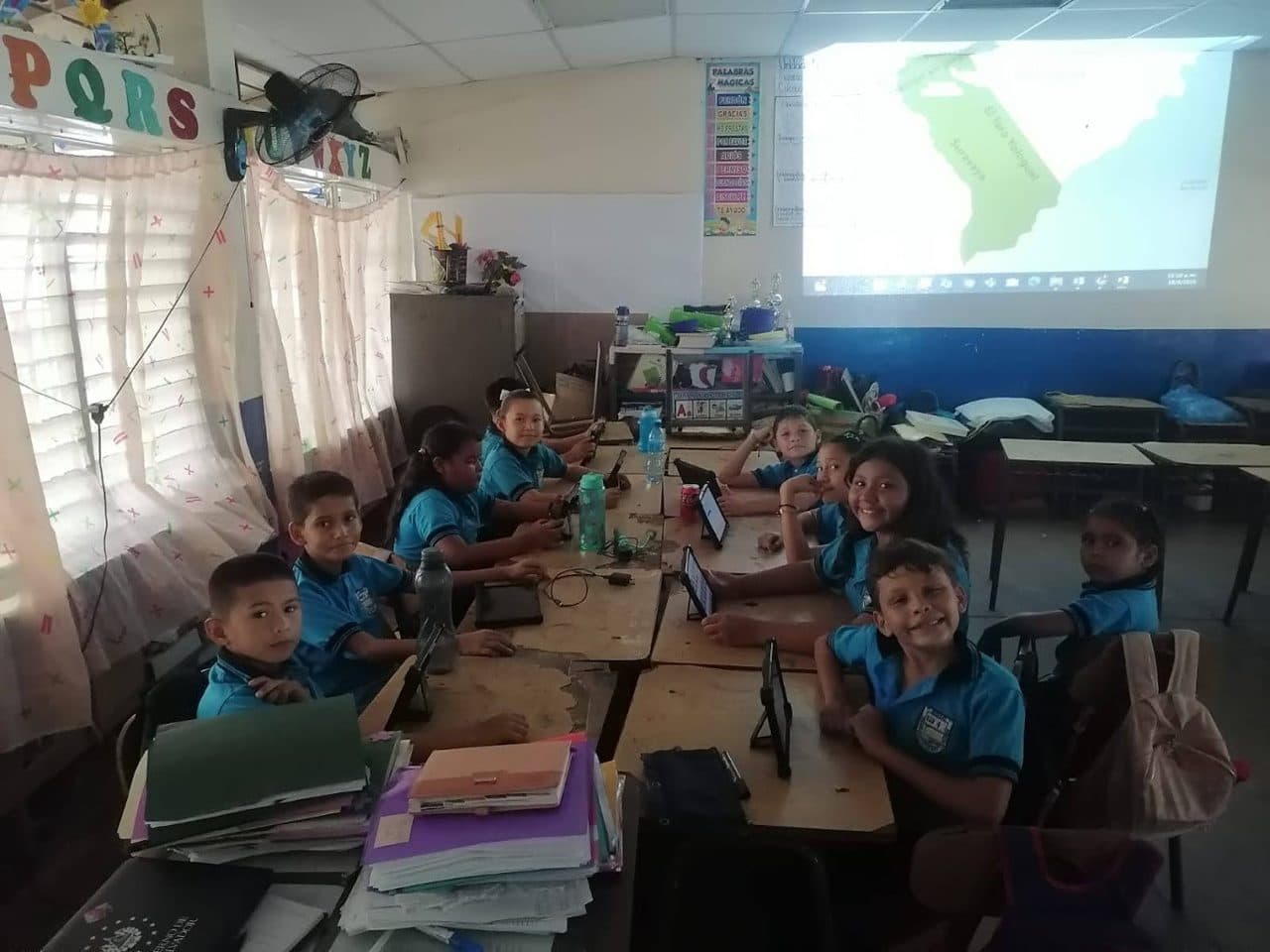
Environmental education in schools
277 students from local communities trained in coastal ecosystem conservation, waste management and citizen science.
Project 01
Oriente Salvaje
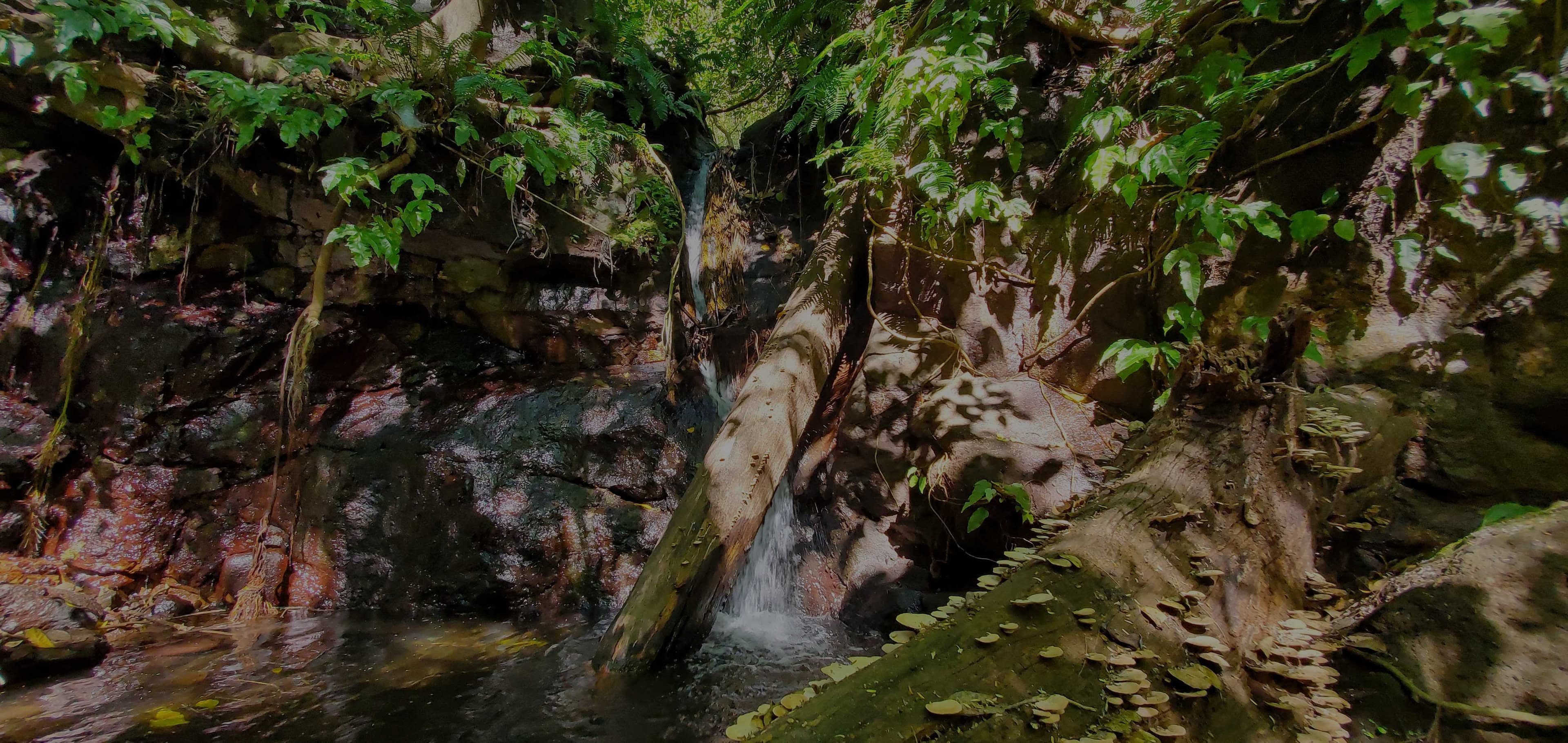
It's the entire set of natural elements that make that wave possible, that make it good to surf, and that keep the surrounding environment alive and healthy: the coral reef that shapes it, the seagrass meadows beneath the water, the mangroves on the shore, the coastal forests inland, and the beach itself. They're all connected. If one fails, the others deteriorate.
A study published in 2024 in Conservation Science and Practice analyzed more than 3,600 surf spots in 113 countries and found something surprising: the ecosystems surrounding the world's waves store 88.3 million tons of irrecoverable carbon, defined as carbon that, if released today, could not be recovered within 30 years.
The coast's ability to withstand storms, sea level rise and erosion without breaking down.
Mangroves, estuaries and coastal forests act as a living barrier against storms, storm surges and erosion.
Protecting these ecosystems isn't just an environmental decision: it's direct protection for the communities that live by the sea.
When these ecosystems are healthy, water quality also improves, reducing the risk of disease for surfers and coastal communities.
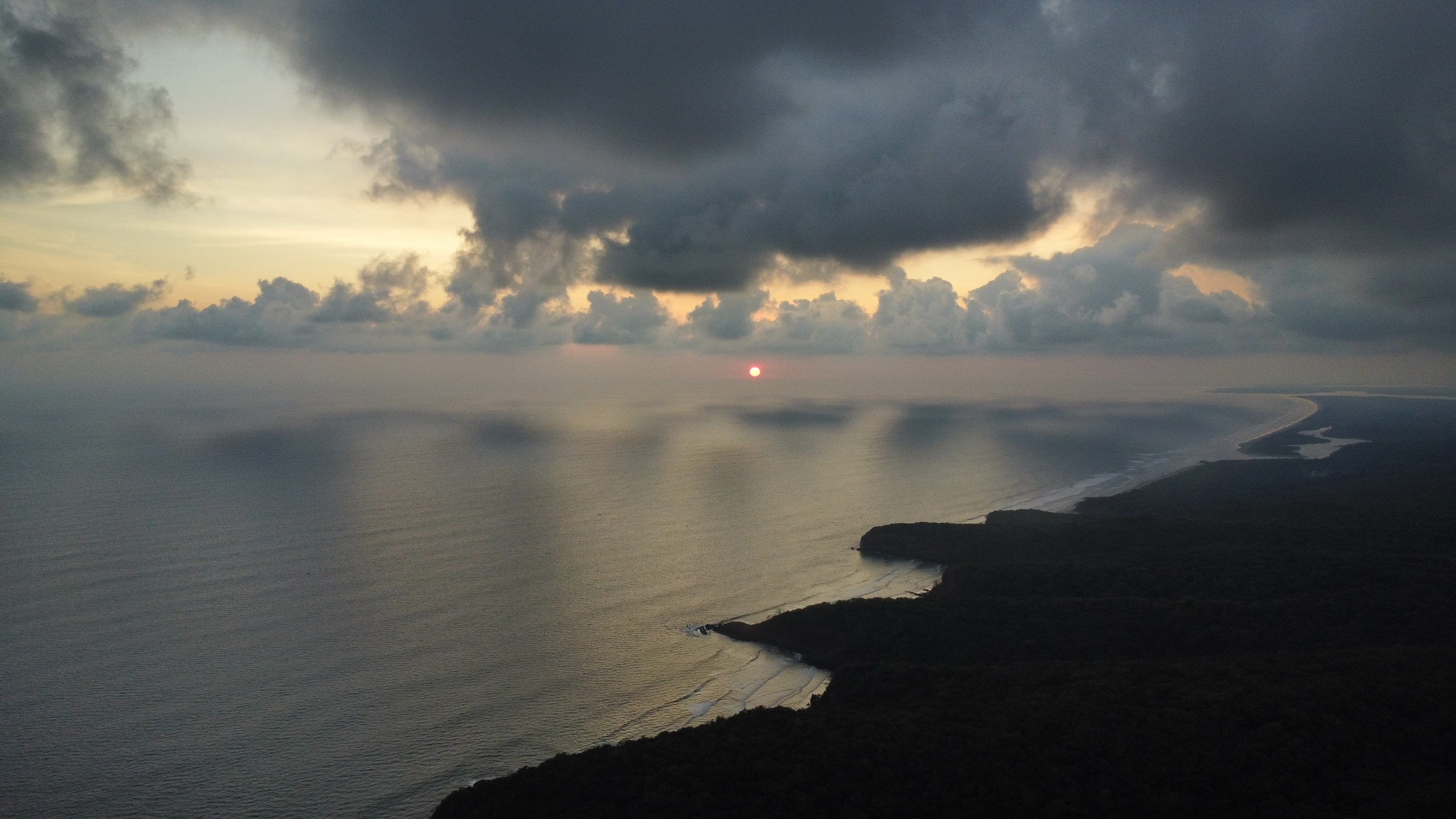
Coming to Oriente Salvaje isn't just about surfing perfect waves or resting by the sea. It's entering a living ecosystem that deserves to be treated with respect. That's why we've built a way of doing tourism based on global best practices: threat management, community involvement, blue economy and sustainable financing.
And the numbers back up why this matters: sustainable tourism generates 1 in every 11 jobs in the world, according to the World Tourism Organization.
But when that tourism isn't well managed, the money leaves, the ecosystem degrades and the local community is left with the costs and none of the benefits. In surf destinations across Central America and the Indo-Pacific, unchecked tourism growth has eroded the values and ways of life of local communities. In Oriente Salvaje, we want it to be different.
Water, energy and waste are not infinite in a fragile ecosystem. Manage them consciously:
Hire local: well-managed surf tourism can build capacity and reduce poverty in coastal communities.

These are some of the projects building Oriente Salvaje through conservation, education and local entrepreneurship.
277 students from local communities trained in coastal ecosystem conservation, waste management and citizen science.
Project 01
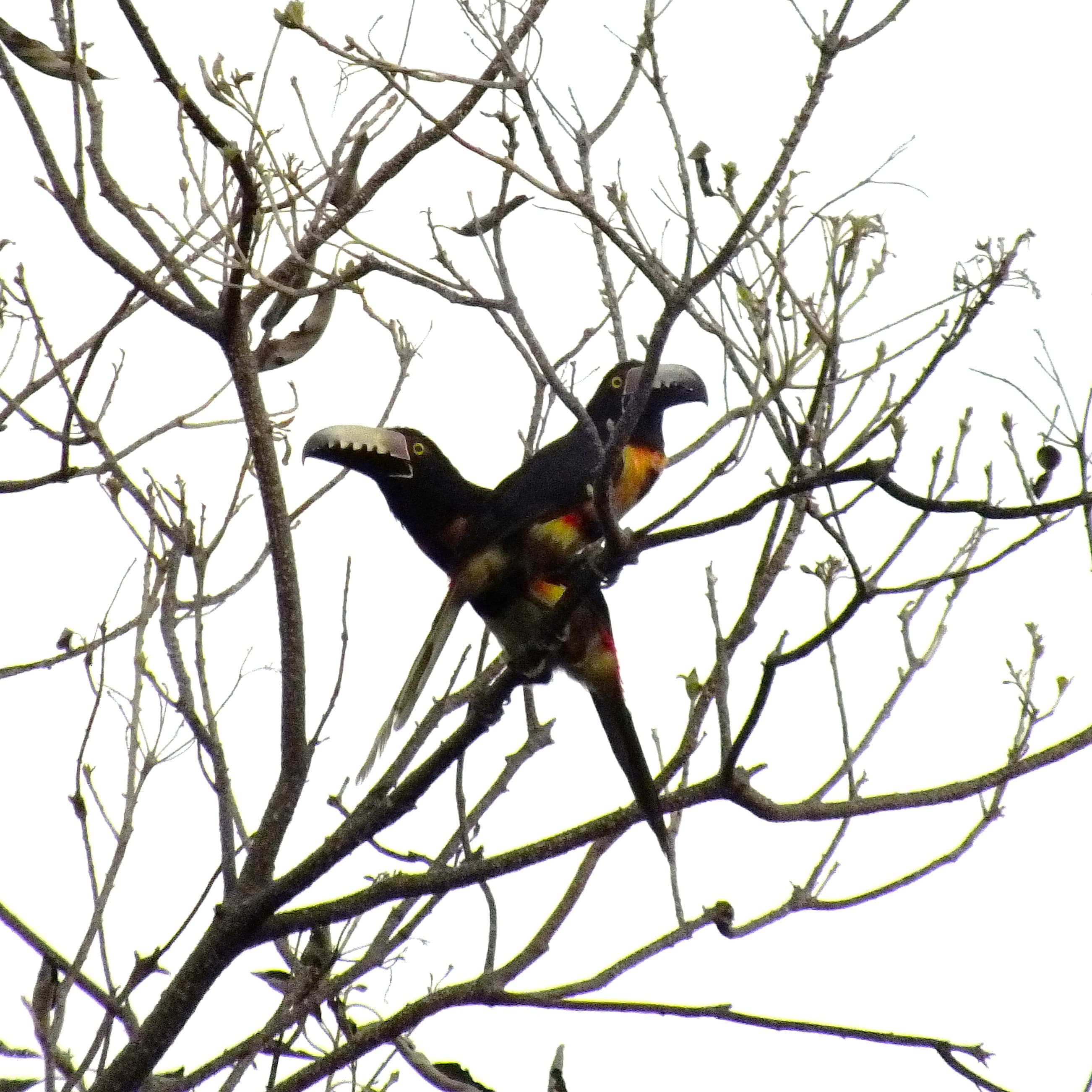
623 species observations logged by volunteers and students on beaches, mangroves and forests within the Reserve.
Project 02
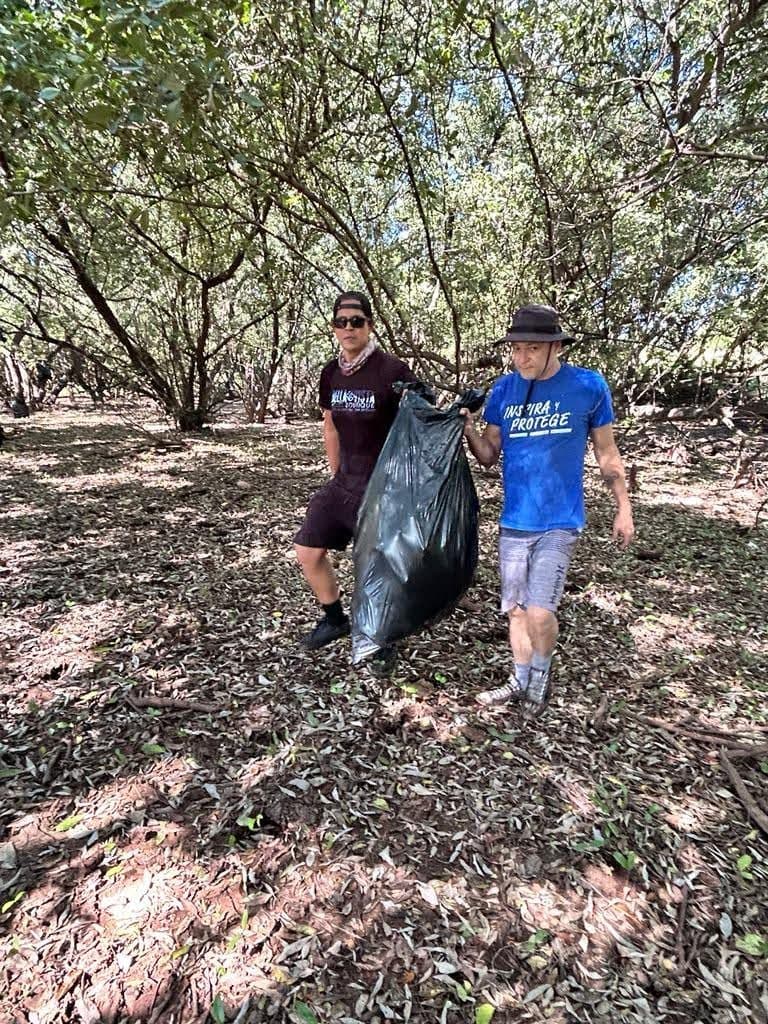
Over 3,700 pounds of waste removed from beaches and river mouths during community clean-up days.
Project 03
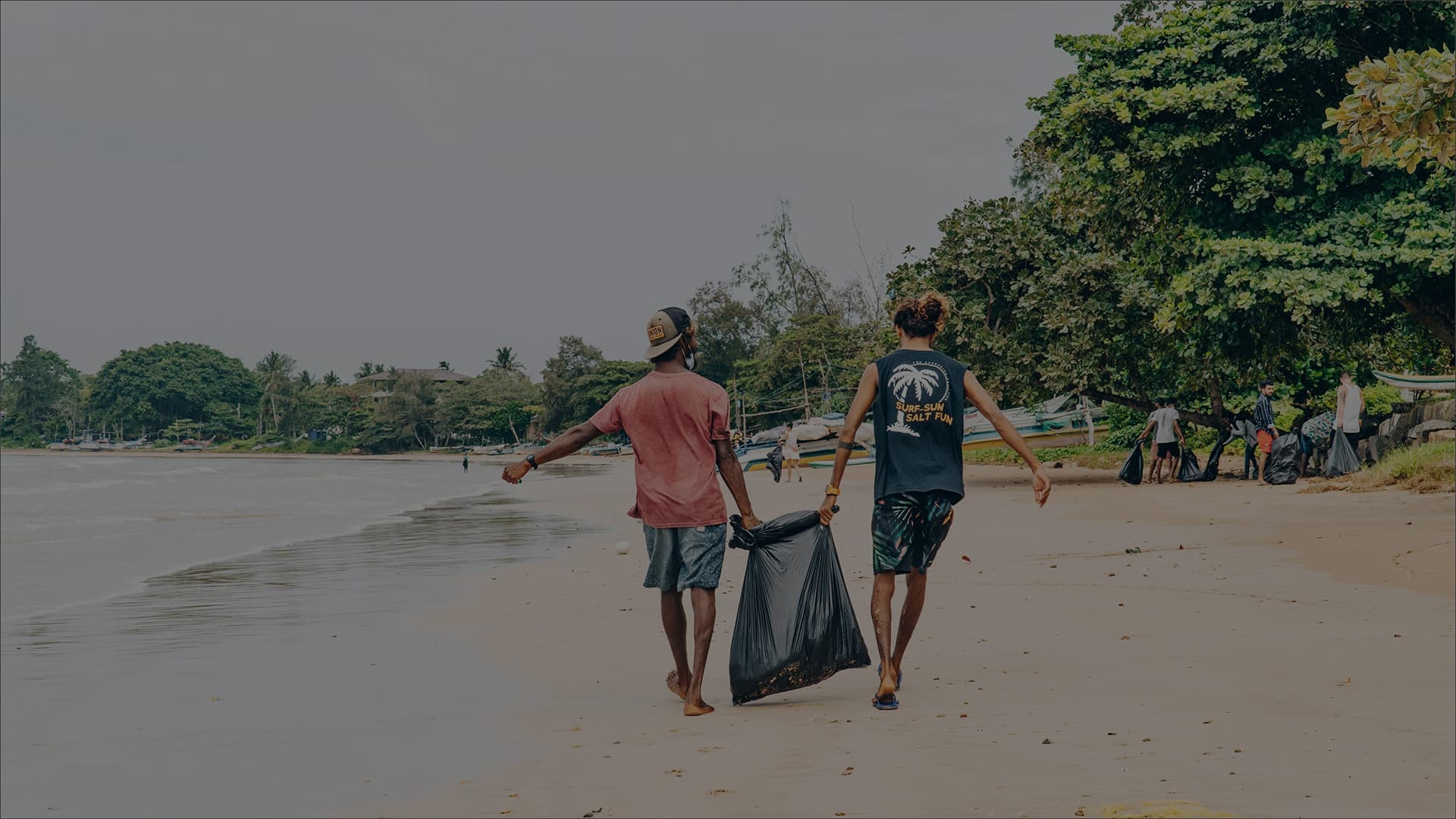
Oriente Salvaje is built with the hands of many people: citizen scientists, educators, surfers, beach cleaners, photographers, translators and more. If you have time, knowledge or passion to contribute, we'd love to meet you.
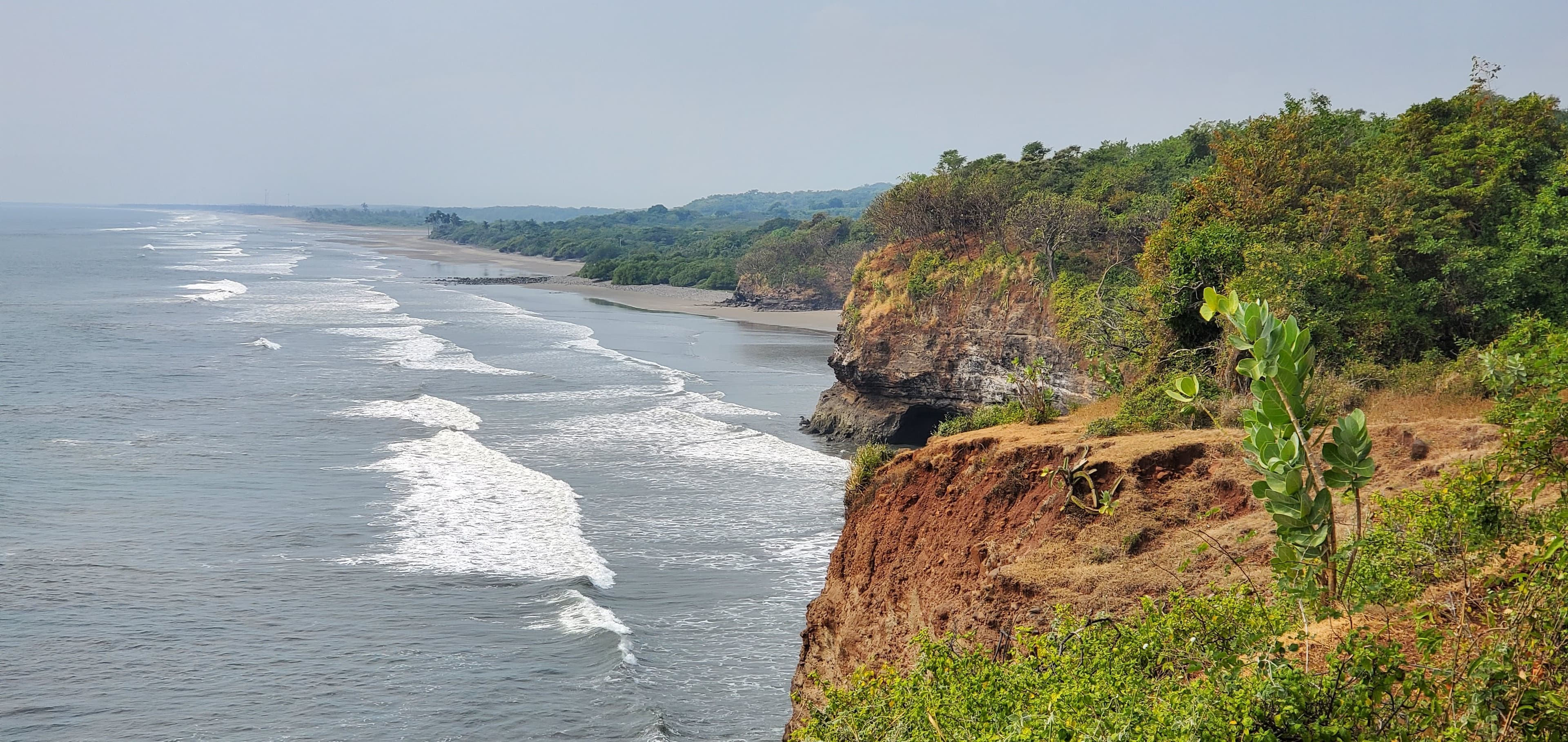
The Oriente Salvaje World Surfing Reserve is a collective effort.
We're looking for allies who share our vision: companies, foundations, public agencies and individuals who want to contribute to a destination model that protects what makes it unique.
Learn how to helpFor companies that want to support specific projects: environmental education, monitoring, sustainable infrastructure.
For organizations, foundations and governments interested in working with us.
For those who want to contribute directly. Every contribution goes toward projects in the conservation plan.